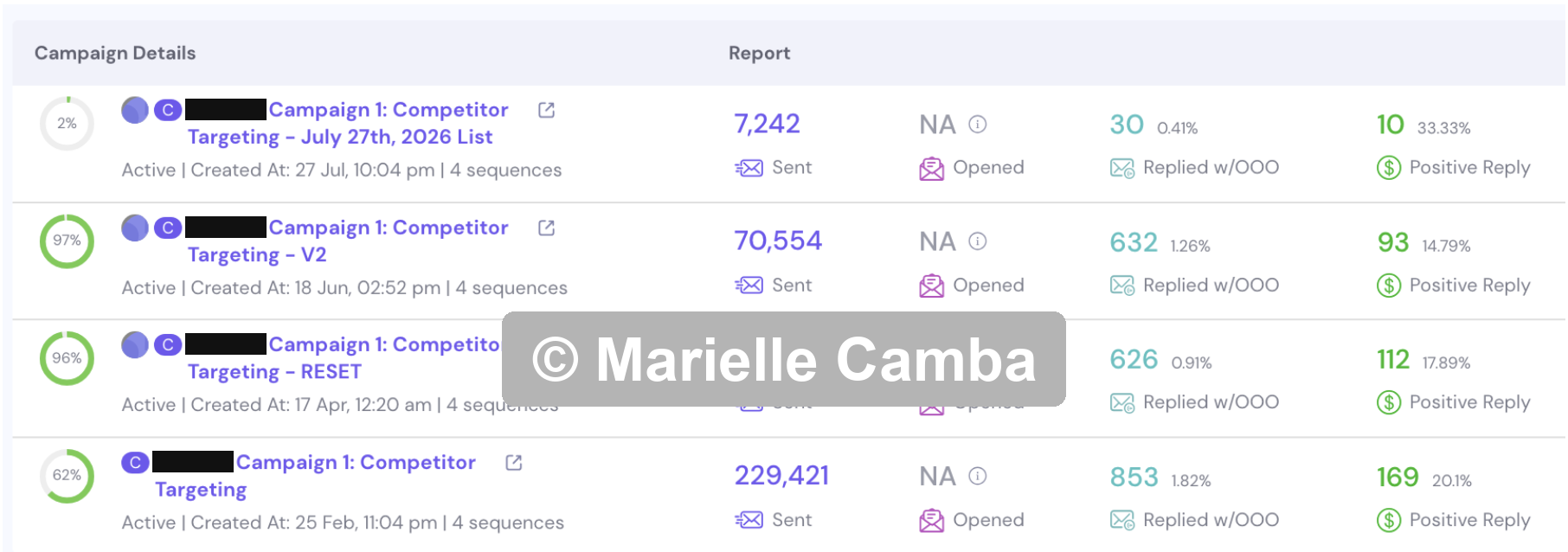
All Campaign Work
17 campaigns across multiple industries
LinkedIn Ads Agency
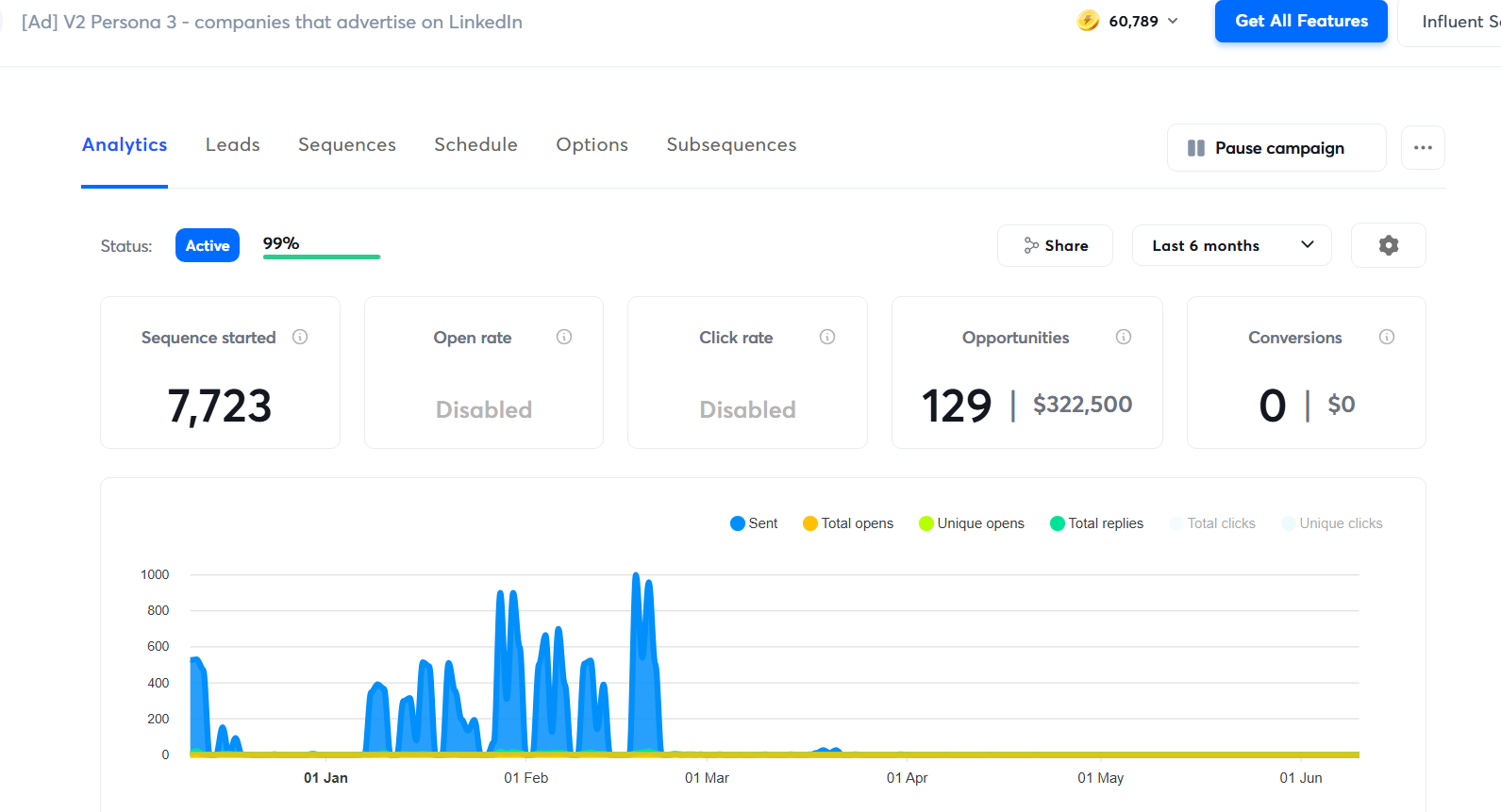
Approach: Scraped LinkedIn Ads with Apify, then qualified which of those companies were B2B.
Why it worked: A personalized first line referencing their actual LinkedIn ad activity made the outreach hyper-relevant.
AI Solution for Restaurant Ordering
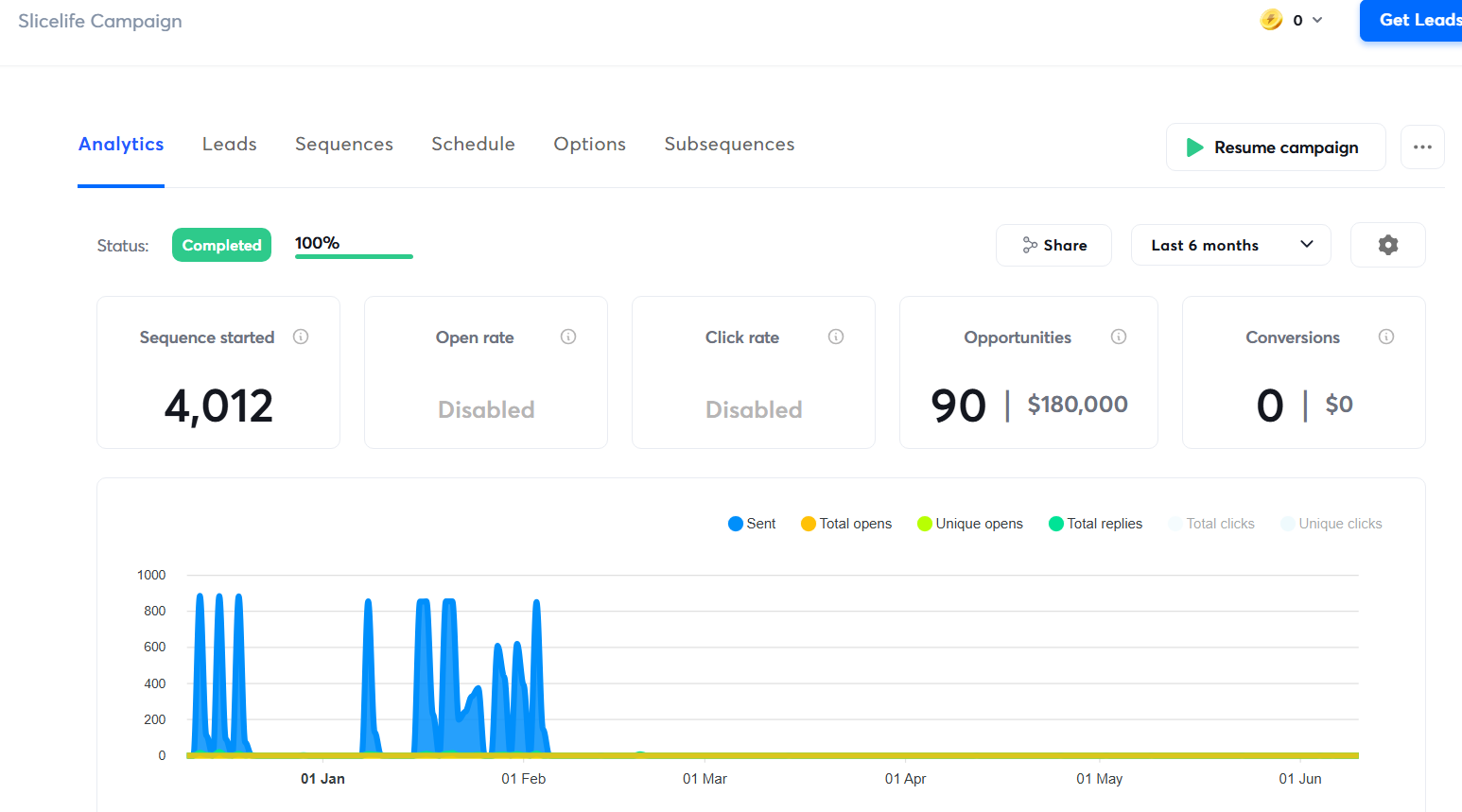
Approach: Scraped the Slicelife and Toasttab restaurant directories, then used Prospeo to find the emails associated with each domain and reverse prompts to find job titles.
Why it worked: Restaurant prospects are rarely found on LinkedIn or Apollo, and these inboxes are barely touched by cold email, so the people behind them are far more open to it.
Reputation Management Platform
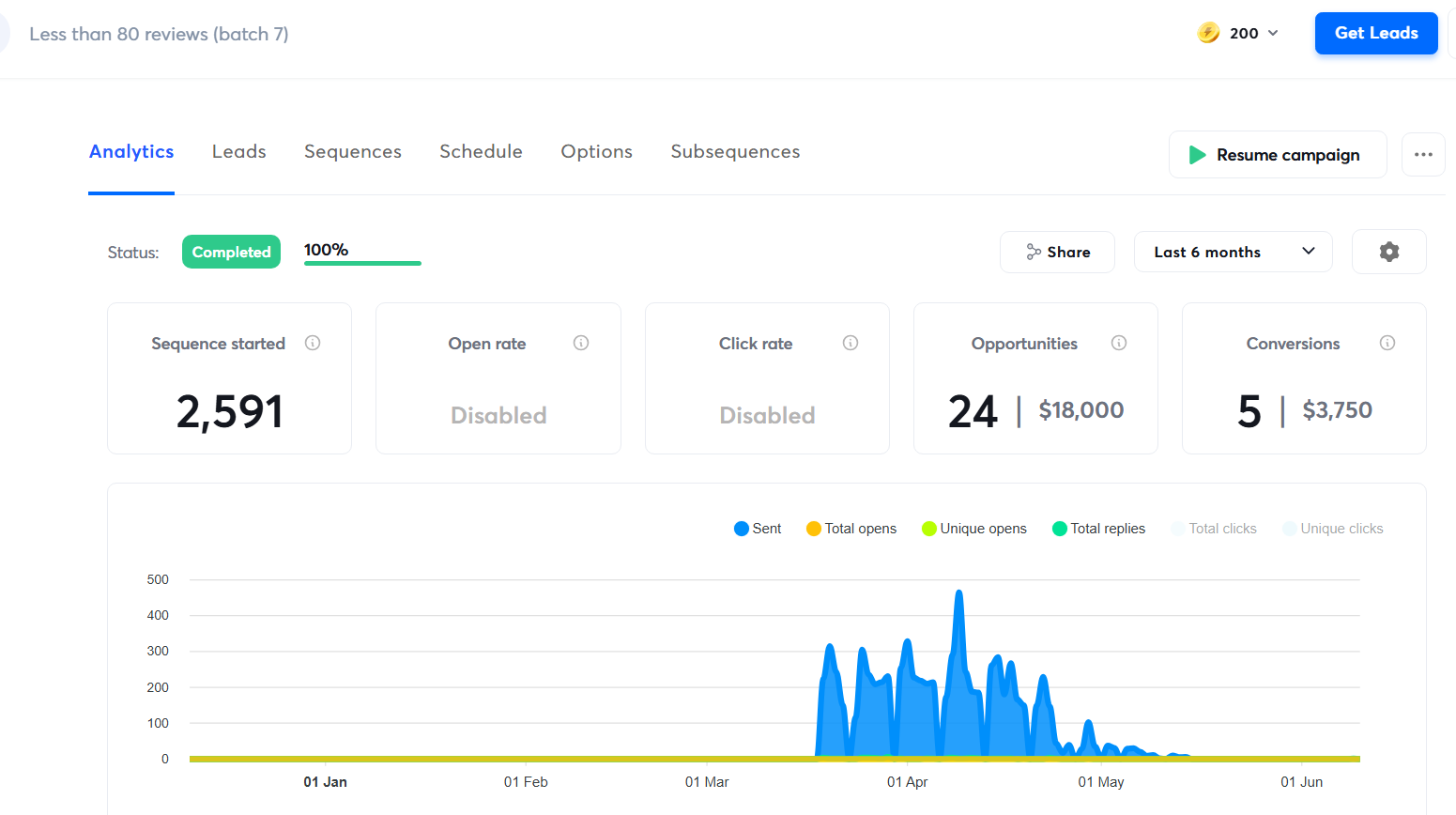
Approach: Scraped law firms with Serper, split them into three segments with three different messaging angles, and scraped their actual Google reviews with Apify.
Why it worked: Each of the three segments (under 80 reviews, one to two bad reviews, and 100+ reviews) had a completely different pain point, so each one got completely different messaging.
WhatsApp Business Messaging
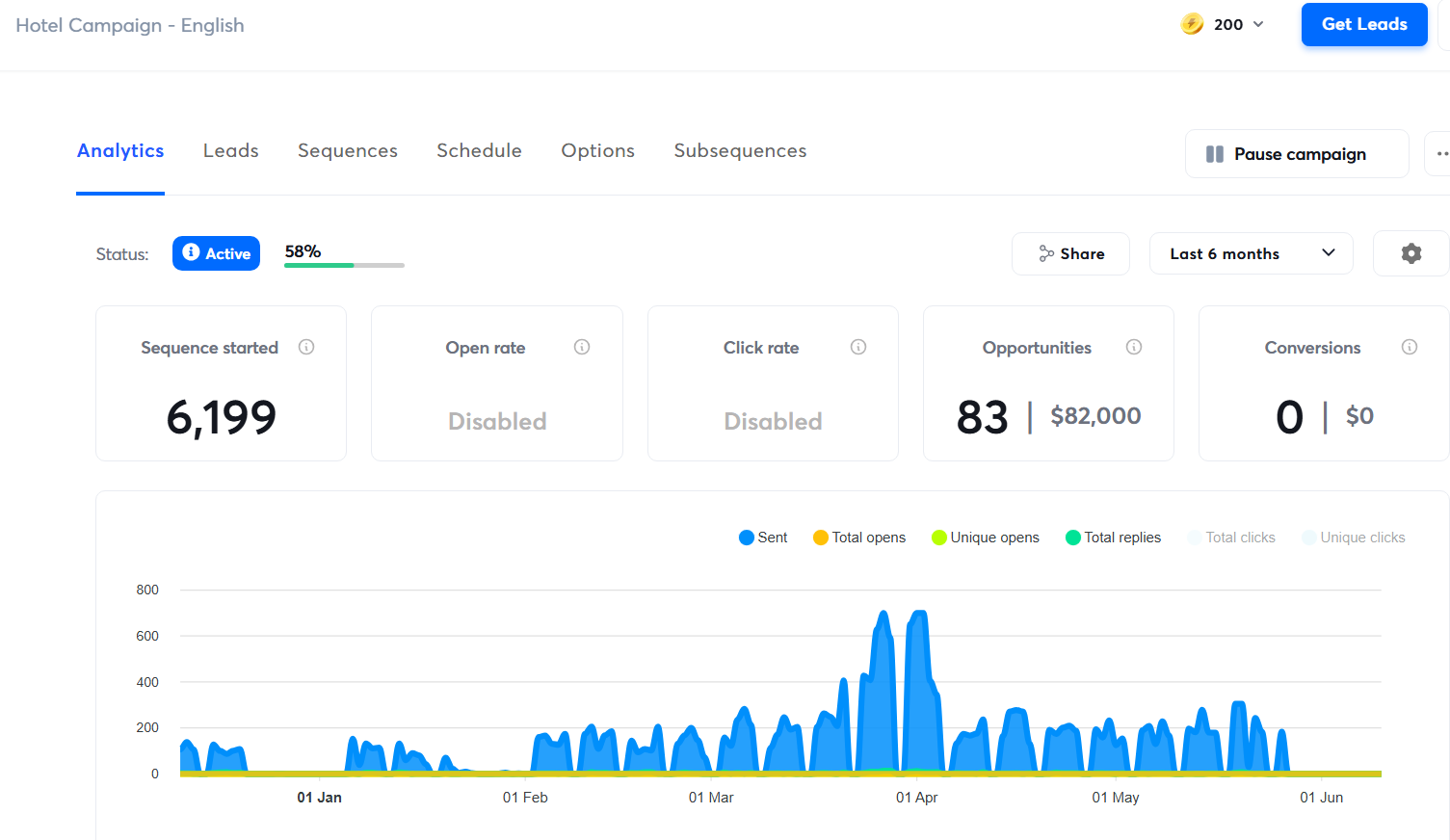
Approach: Scraped hotels from Apollo, directories, and Google Maps using SerpAPI, then referenced their OTA listings.
Why it worked: The emails referenced their OTA listings (Booking.com and the like) and offered to reduce their commission dependency through direct WhatsApp bookings.
AI Agent for Customer Engagement
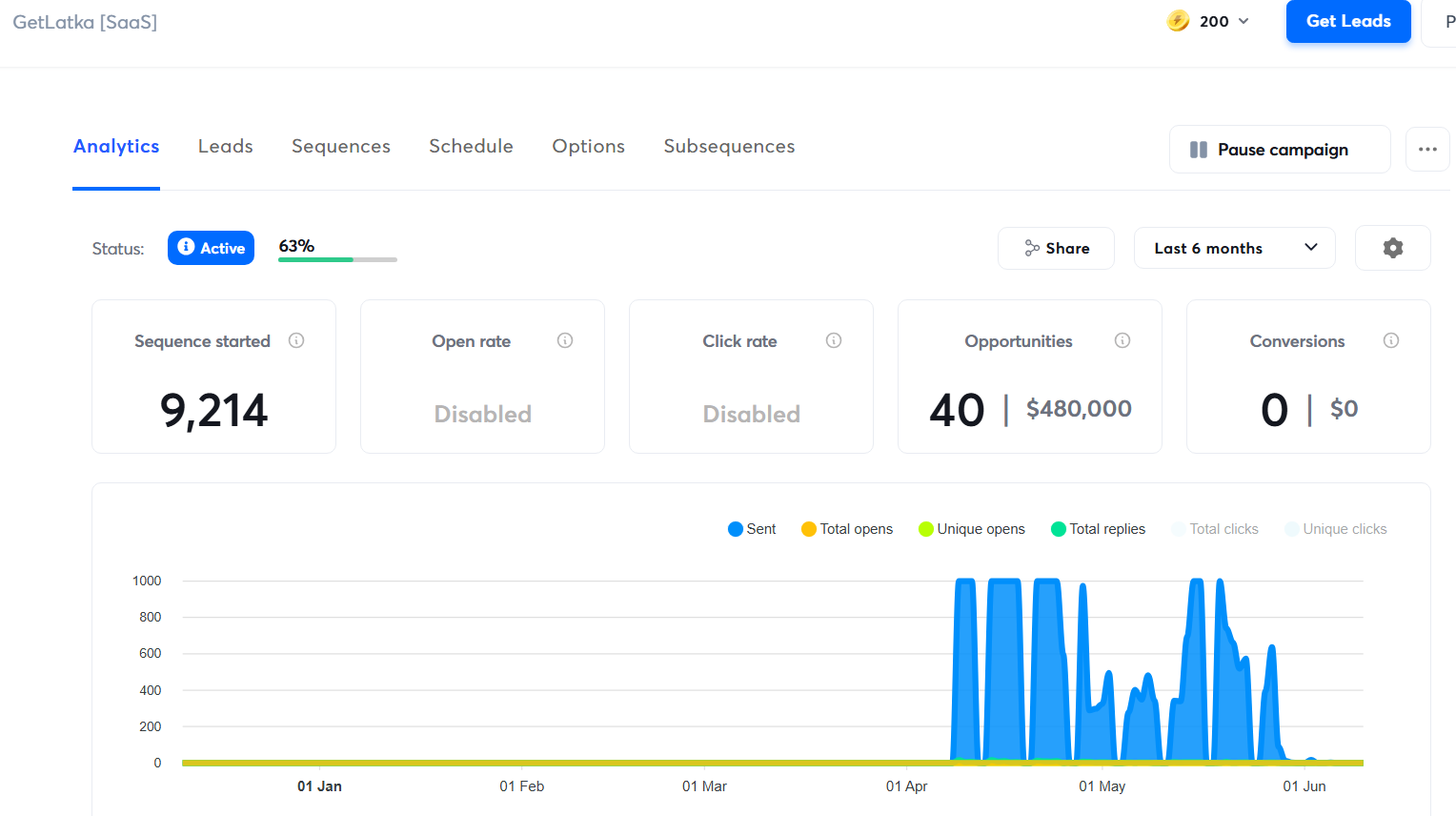
Approach: Scraped software companies offering free trials from Product Hunt, GetLatka, GetApp, Toolify, and SourceForge, then used Pandamatch and Similarweb for traffic data.
Why it worked: An AI prompt checked whether they actually offer a free trial, and companies with free trials want to convert those users into paying customers.
Customer Retention Platform
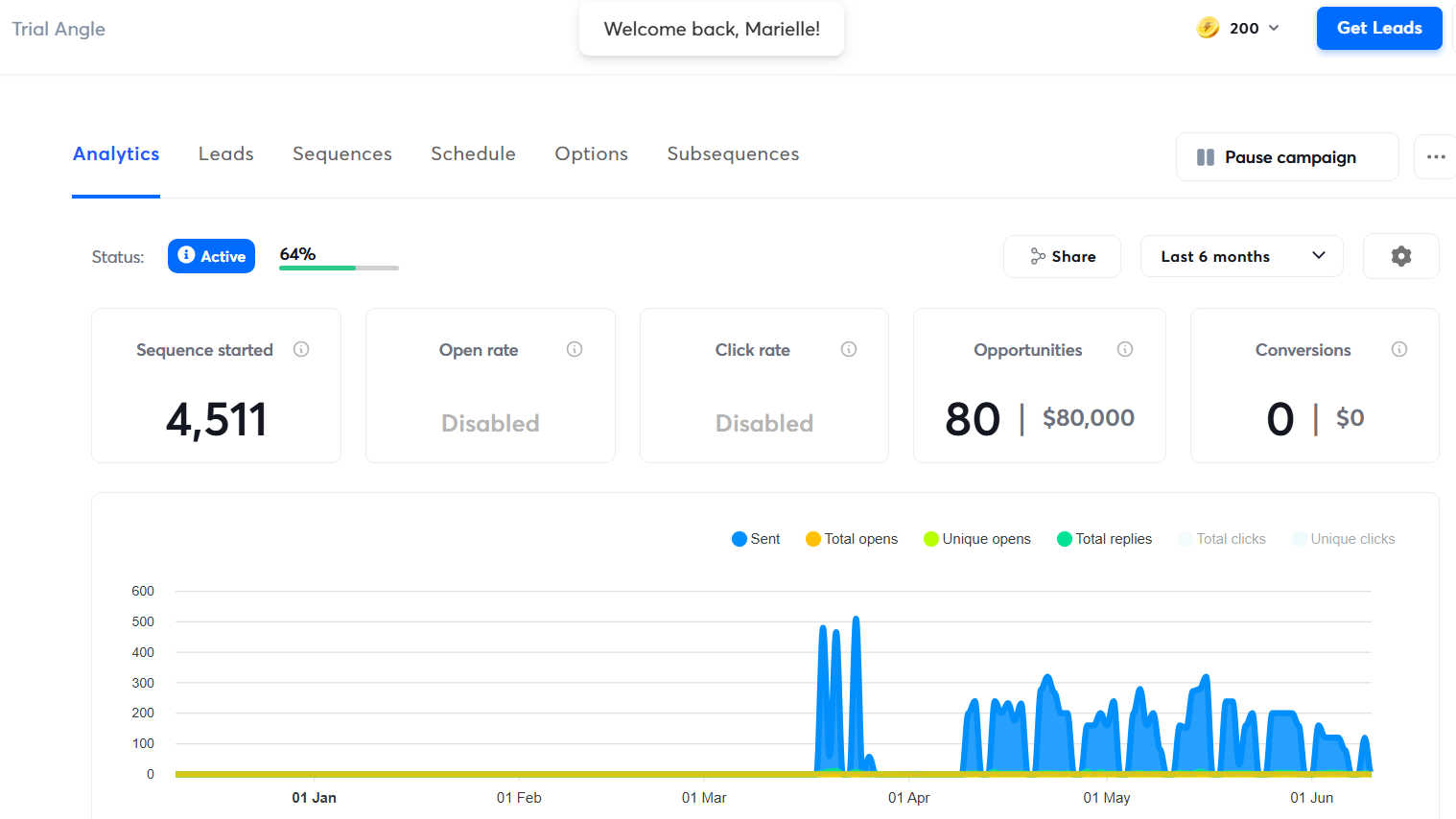
Approach: Scraped software directories such as Crunchbase, Product Hunt, GetLatka, GetApp, Toolify, and SourceForge, then ran AI prompts to check for free trial offerings.
Why it worked: It targeted companies with a specific headcount in their phone and customer support departments, combined with heavy website traffic.
B2B Data Enrichment Platform
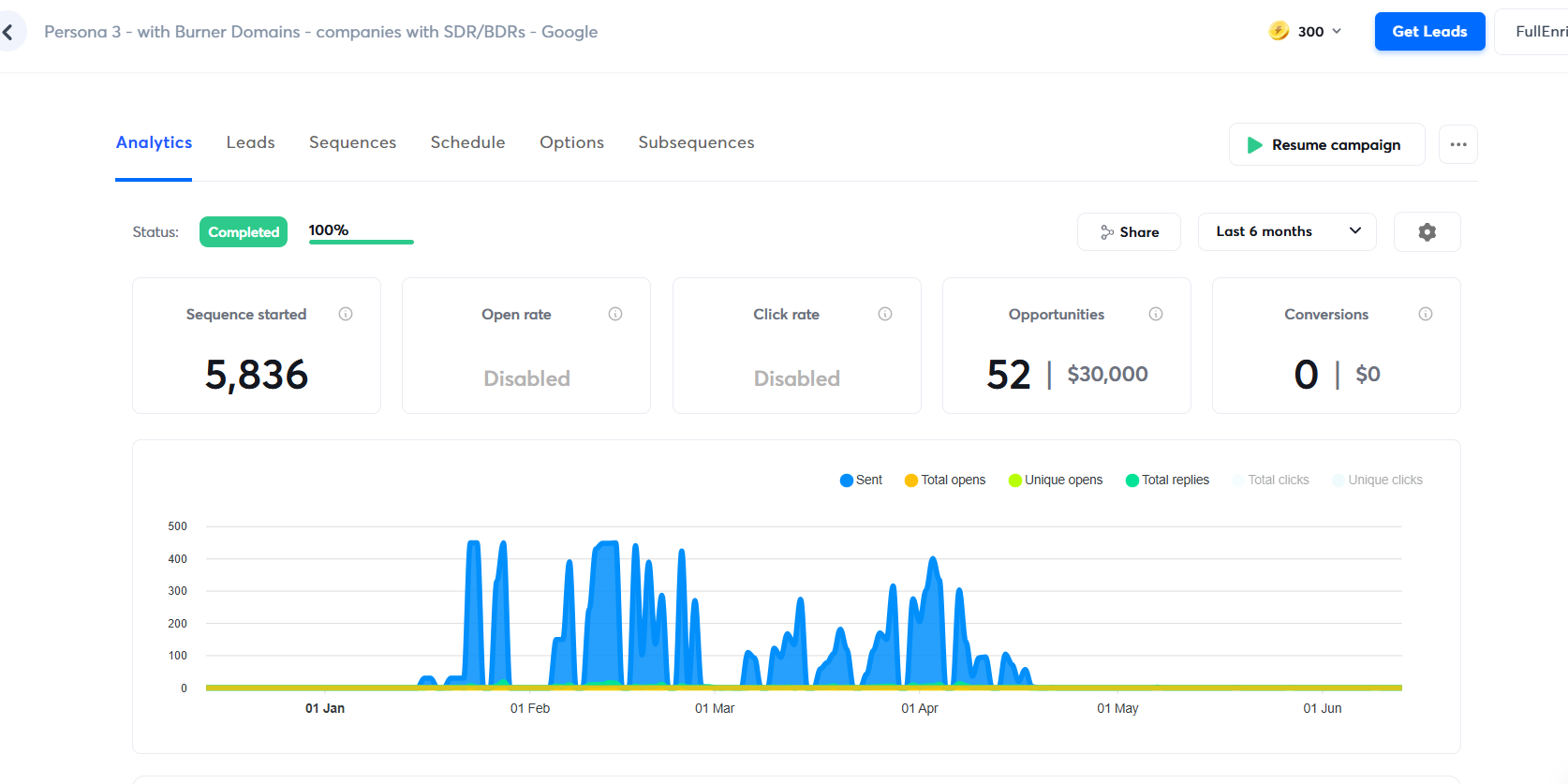
Approach: Targeted companies running multiple domains (burner domains), which indicates active cold email operations, and used Pandamatch to detect those burner domains.
Why it worked: Burner domains forwarding to a main domain are a clear signal that a company is running outbound and needs better data.
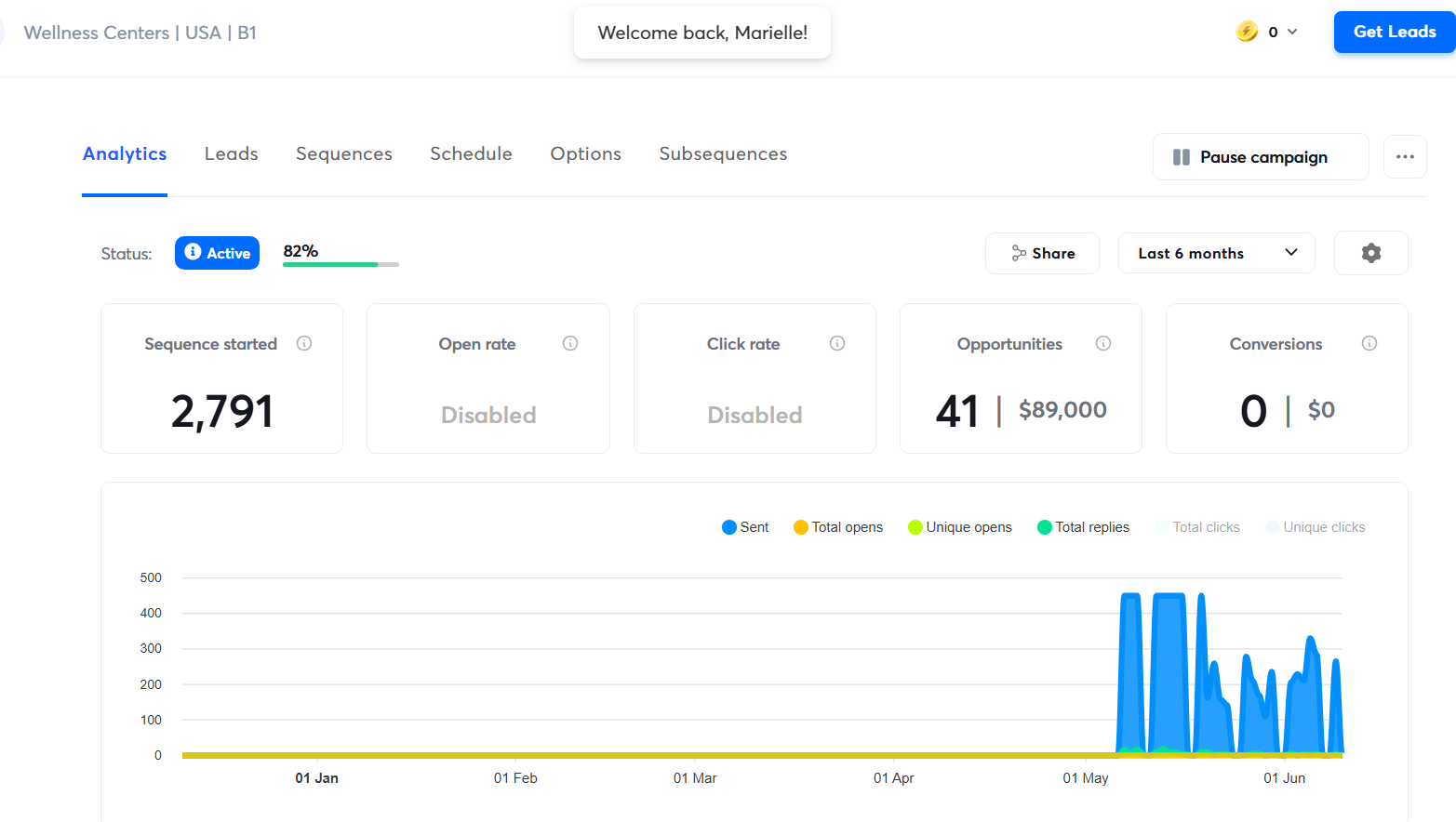
Wellness App Development Agency
Approach: Scraped Google Maps for wellness centers (yoga, Pilates, sauna, cold plunge, and ice bath), and also scraped the Apple App Store for wellness apps with bad reviews.
Why it worked: For studios, the emails referenced their strong community, measured by review count. For apps, they referenced actual 1-star reviews as the pain point.
Marketing Agency
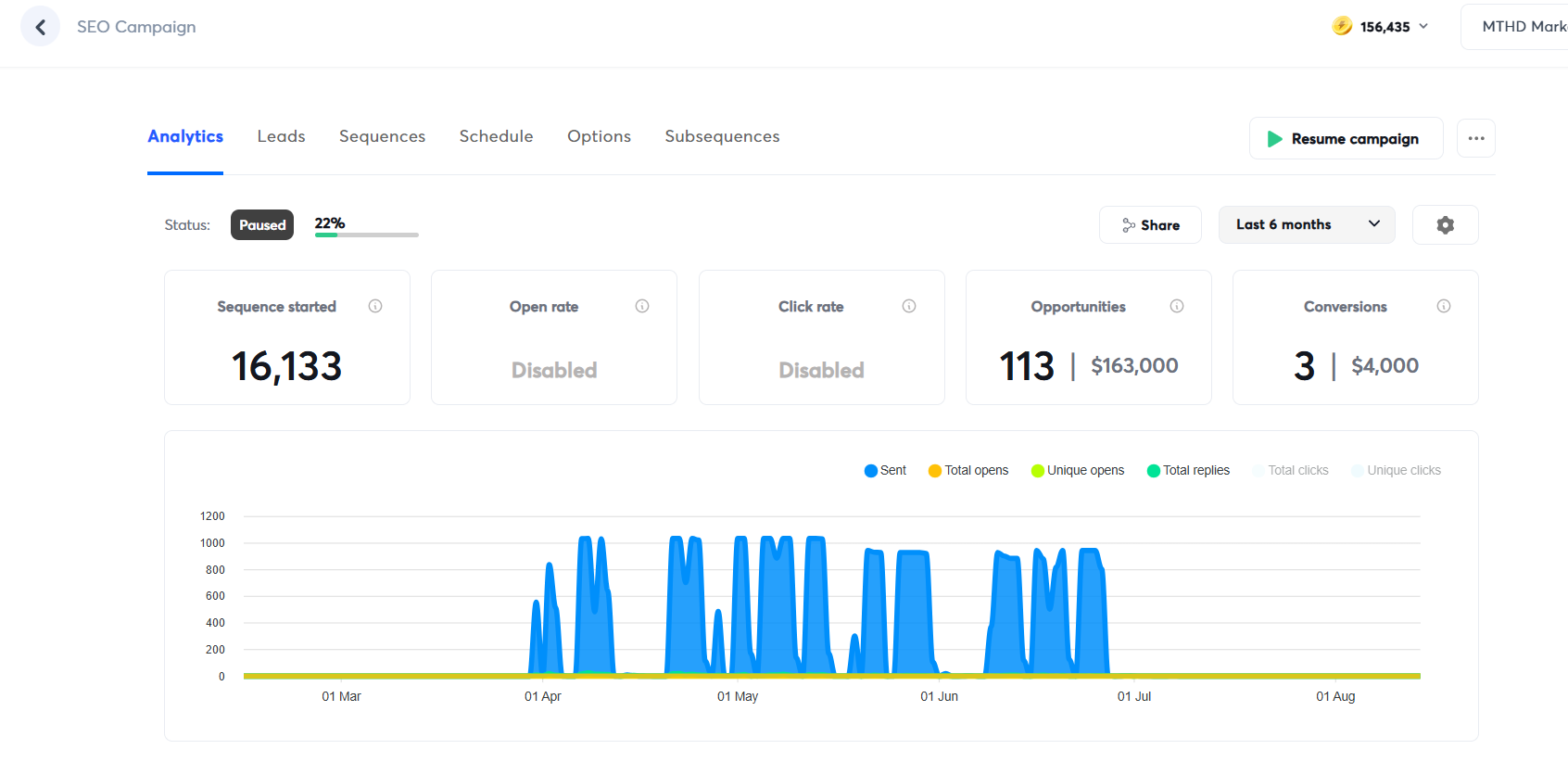
Approach: Used Store Leads and Similarweb to find the top 10 keywords driving their organic traffic, along with their competitors, then enriched with Claygent to find branded keywords.
Why it worked: Each email named the specific competitor ranking above them for their target keywords, showing them exactly who is beating them.
Vacation Rental Software
Approach: Used DiscoLike, Clay's lookalike search, and SerpAPI Google Properties to find STRs and vacation rentals, then maximized contact points across personal, work, and generic emails.
Why it worked: It was a hard-to-scrape list reached through the maximum number of contact points, and each email mentioned the specific property locations they manage.
M&A Advisory Firm
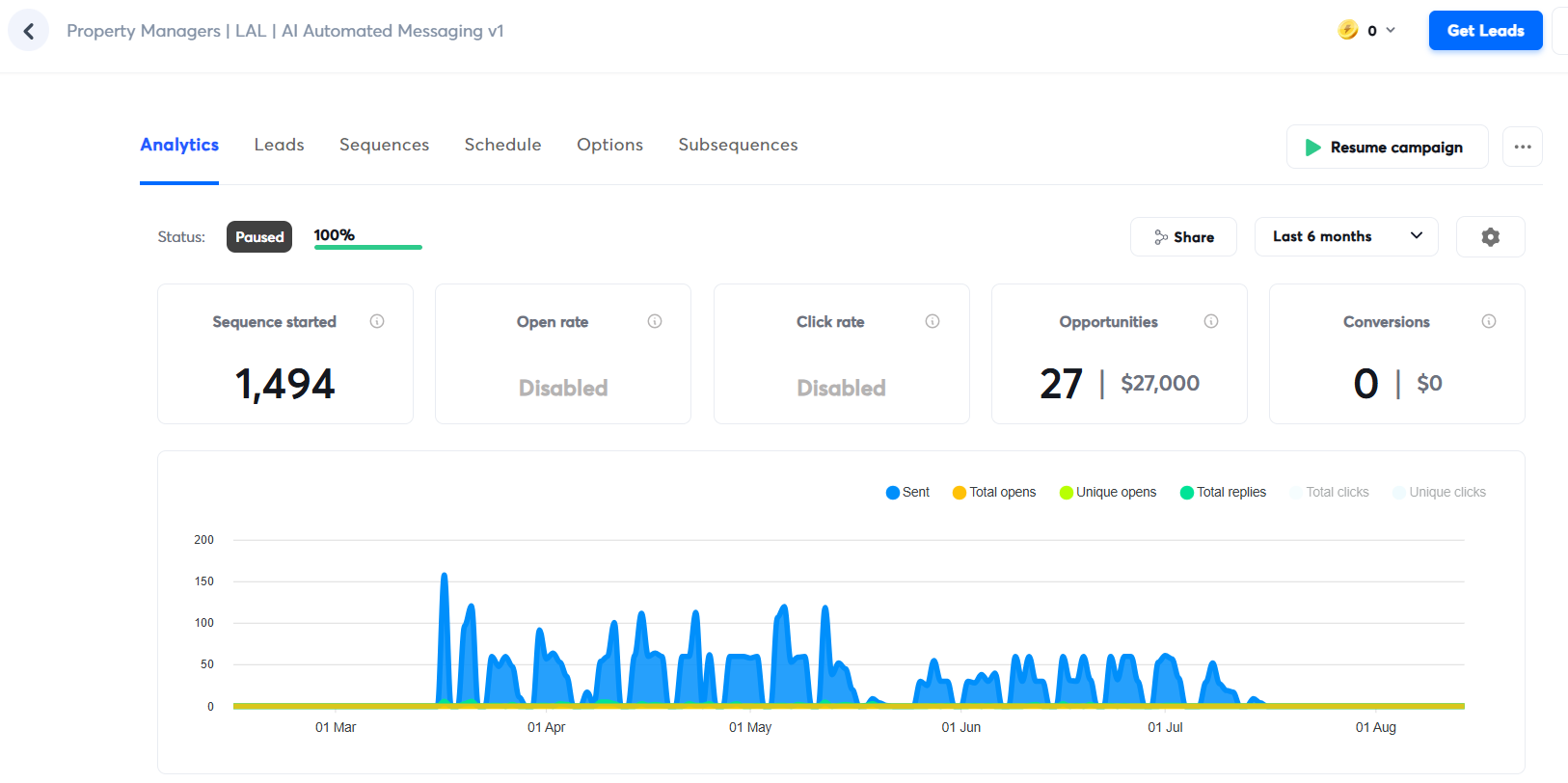
Approach: Used Serper to scrape local businesses, targeting specific business types in specific locations.
Why it worked: The emails mentioned having buyers ready for their specific business type in their location, so combining local and vertical targeting made every message highly relevant.
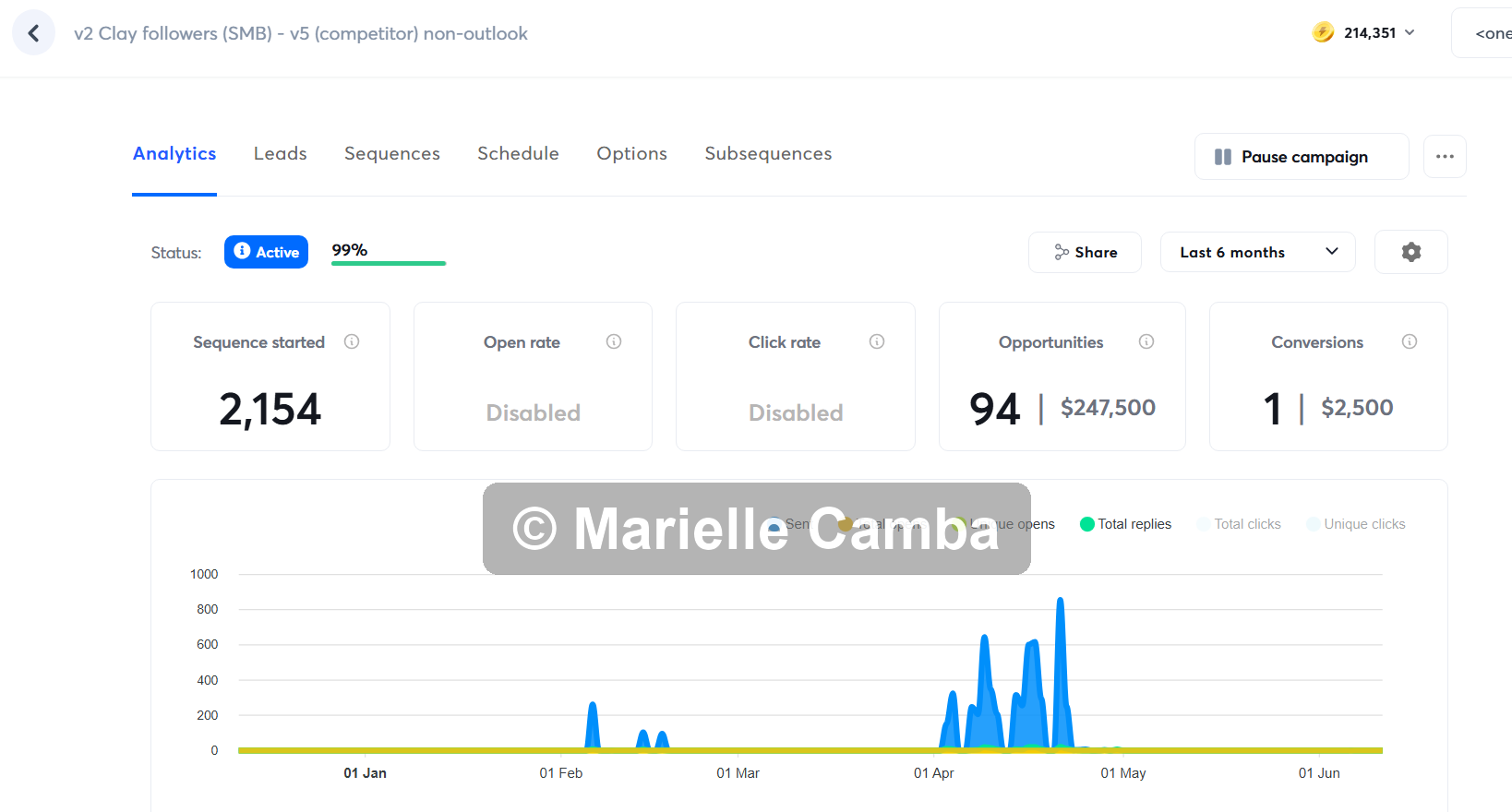
Clay Enterprise Partner
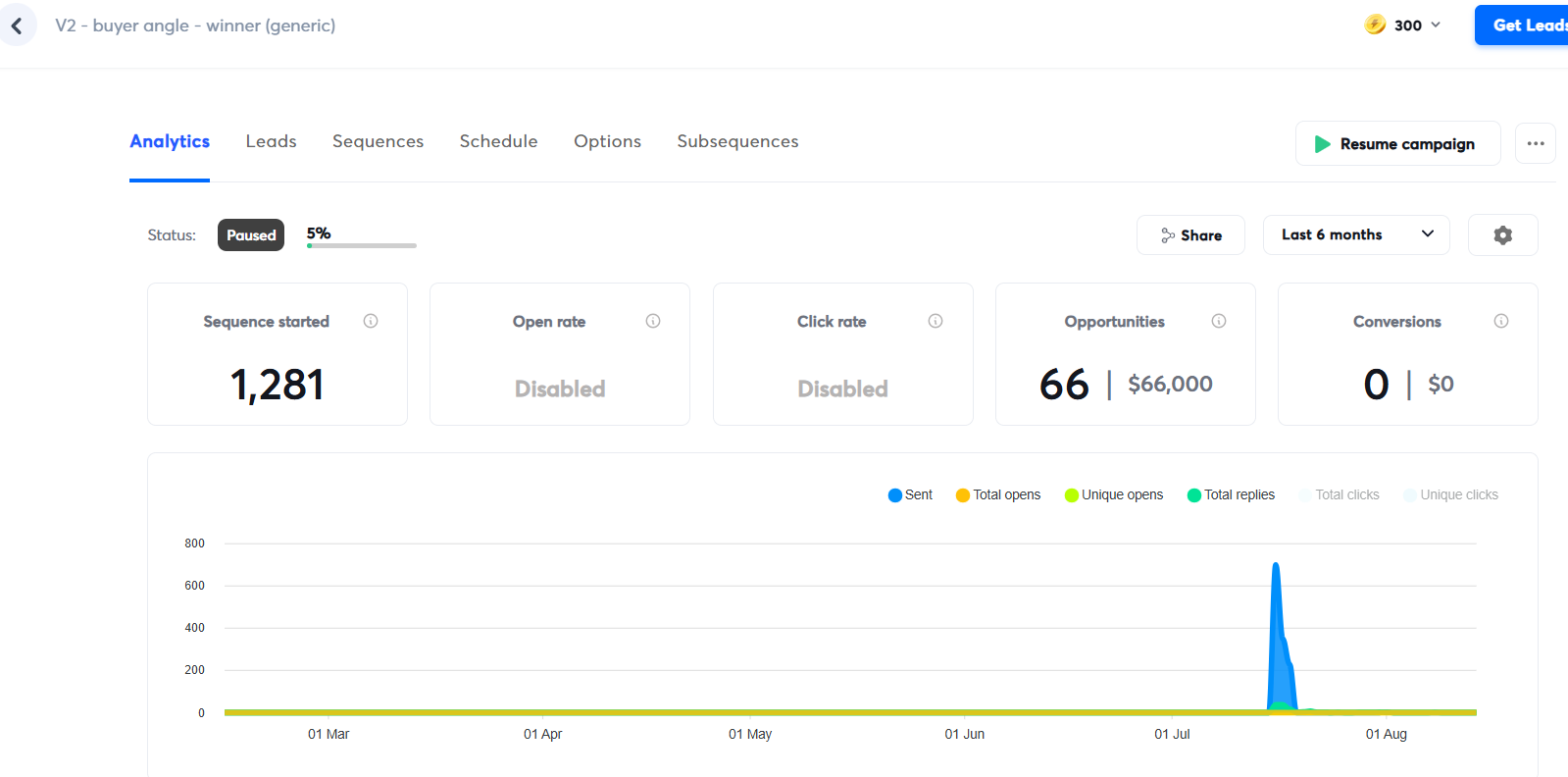
Approach: Targeted people who follow competitors such as Artisan on LinkedIn, using competitor follower lists as an intent signal for interest in outbound.
Why it worked: Following a competitor on LinkedIn is a strong intent signal, so these prospects are already actively interested in outbound solutions.
Talent Marketplace for Home Service Pros
Approach: Used AI to filter a large list down to only the right service providers in the ICP locations.
Why it worked: The emails mentioned having buyers ready for their type of business in their location, and the AI-based filtering ensured high relevance.
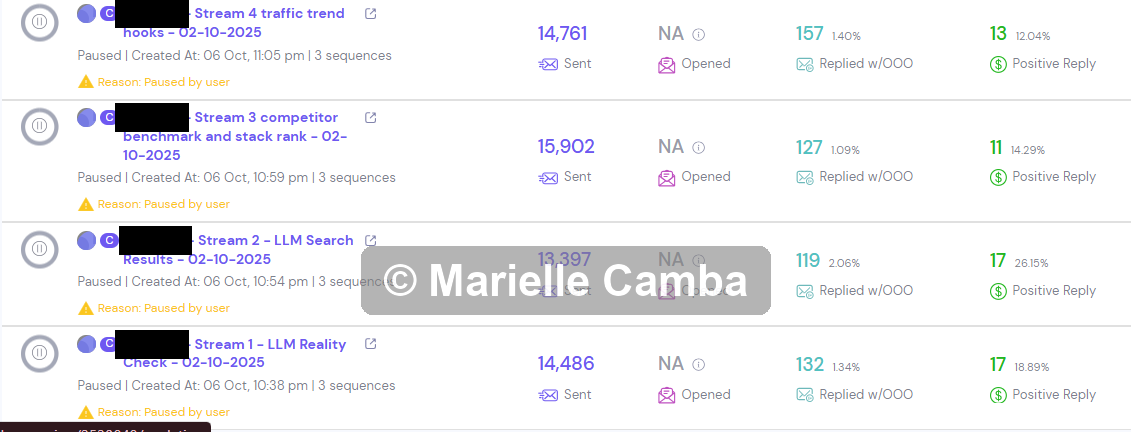
AI SEO / GEO Provider
Approach: Launched four parallel angles, each tackling a pain point: LLM Reality Check, New in Role plus LLM Search Results, Competitors Showing in AI Results, and Traffic Trend Decline.
Why it worked: It poked at the pain point at a timely moment. AI search disruption is a hot topic, and multiple angles were tested simultaneously.
Online Ordering & Restaurant Marketing System
Approach: Launched three angles with AI-personalized lines, targeting restaurants sourced from directories and Google Maps.
Why it worked: AI created the personalized lines at scale, and multiple variants were tested simultaneously to find the winning messaging.
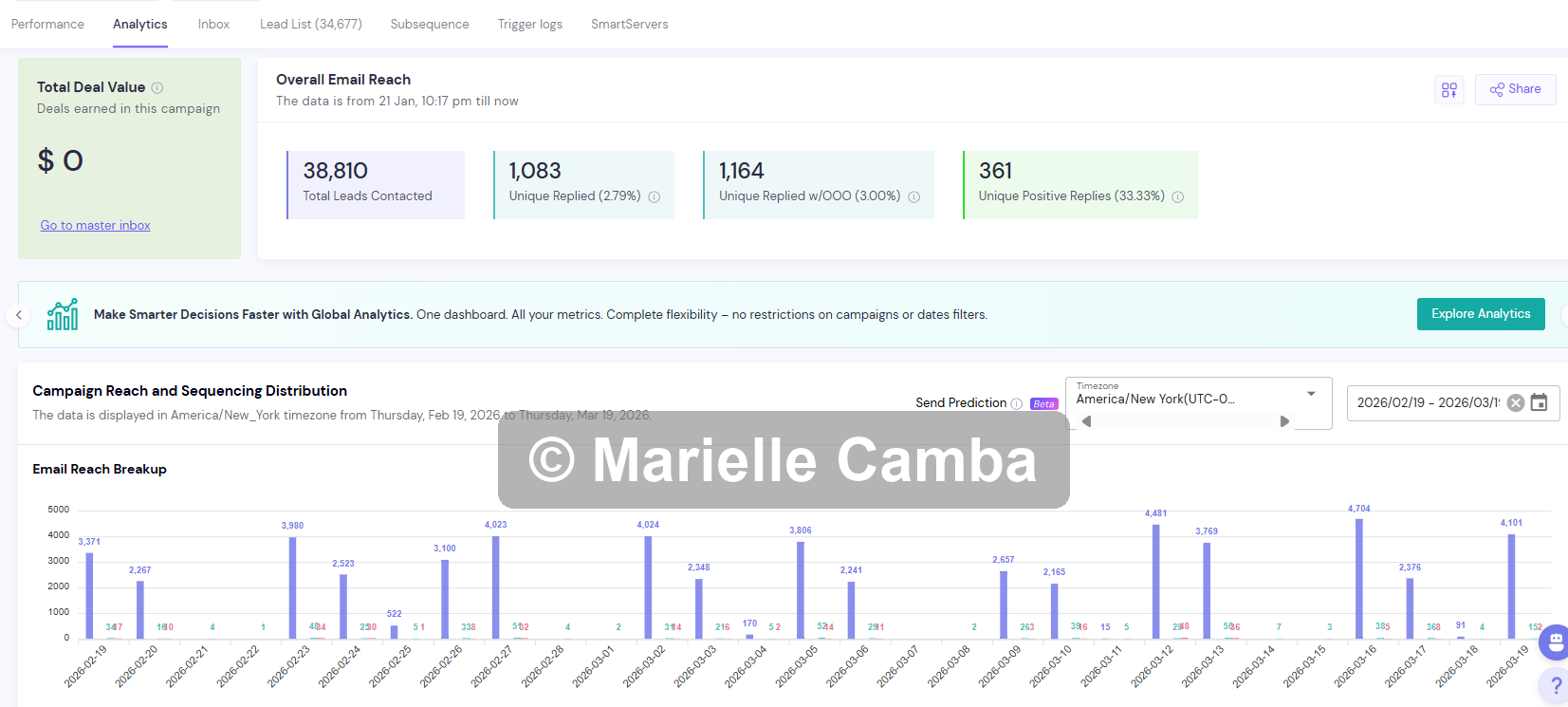
AI Optimization Platform (AEO)
Approach: Launched three campaigns (Competitor Comparison, Perception Check, and Billboard: Why It Matters) targeting companies whose AI brand perception may be costing them deals.
Why it worked: The messaging around how AI perceives brands was timely, the YC-backed founder angle added credibility, and it cited specific case studies such as Reducto (an 11x increase in AI citations).
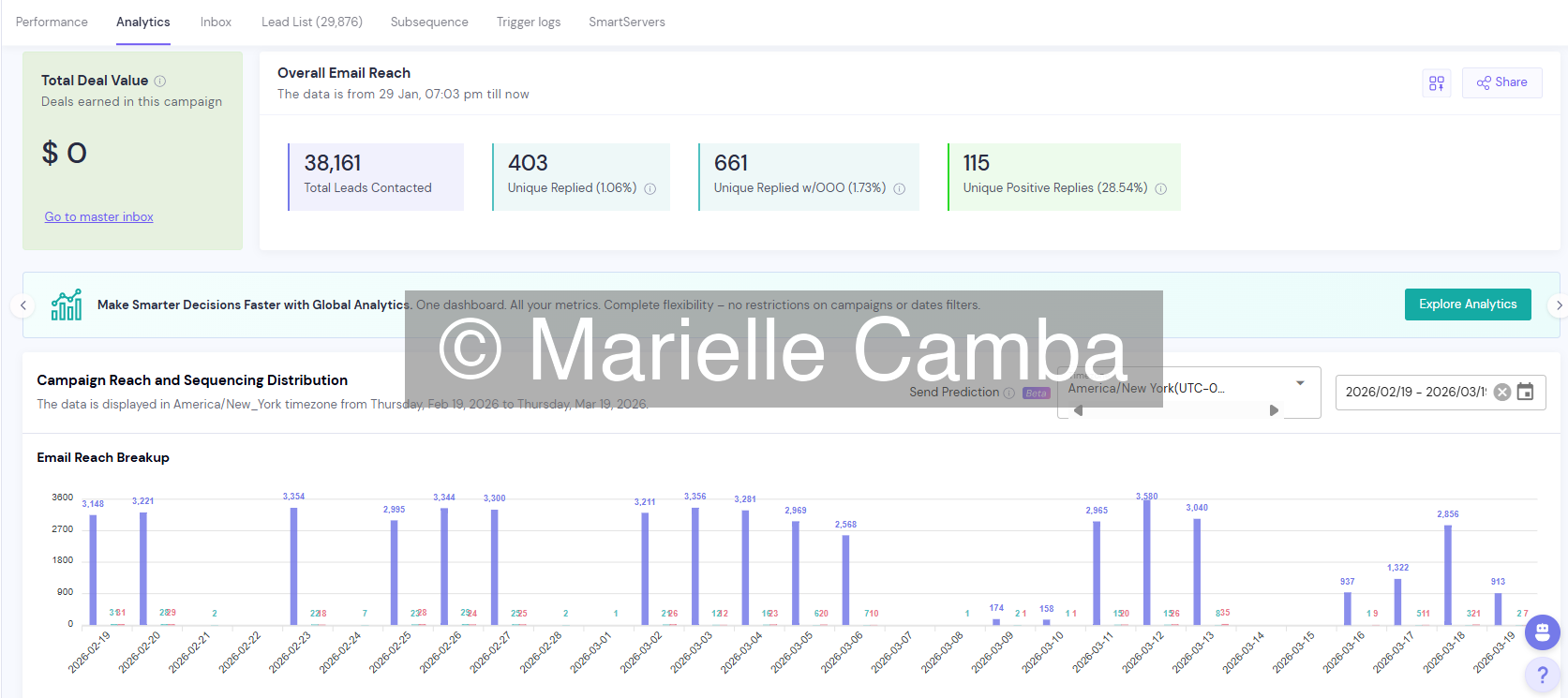
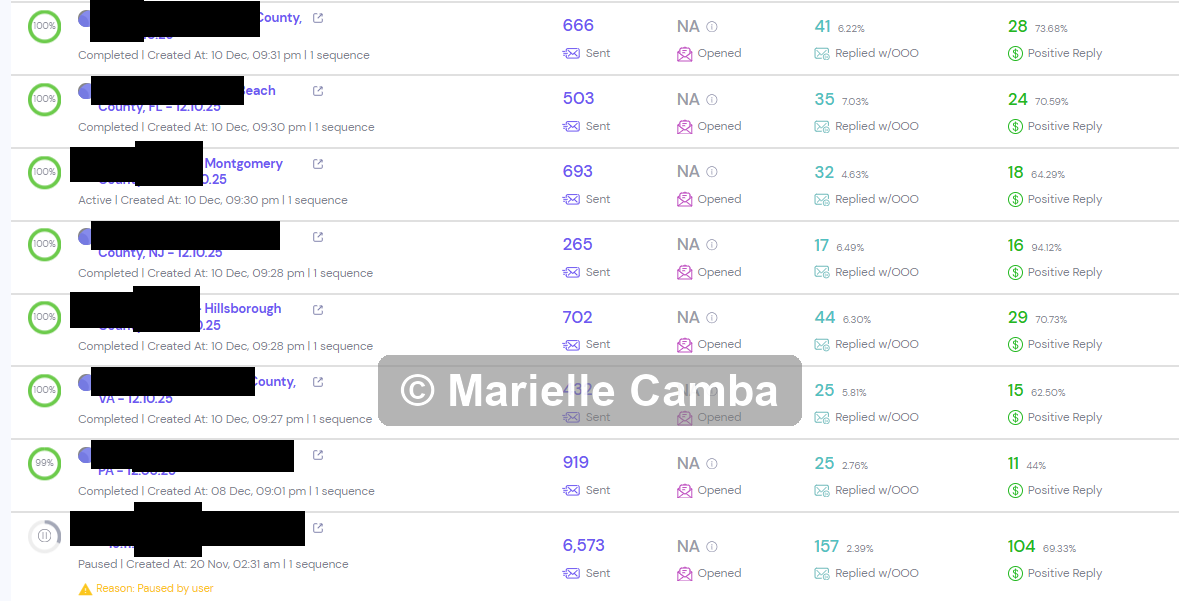
Hard Money Lender for Residential & Commercial Investment Properties
Approach: Used county recorder data to find everyone who took a loan from a competitor in the last year, enriched the borrowing entity into a real decision-maker, and emailed a verifiable fact about their own deal followed by a same-day quote offer. Run as four iterations of the competitor targeting campaign.
Why it worked: Every email opened with a public record the prospect could verify about their own deal, so it read as research instead of a pitch, and the same-day quote gave an immediate reason to reply. Across 468K emails sent, it produced 384 positive replies, which were 15-20% of all replies.